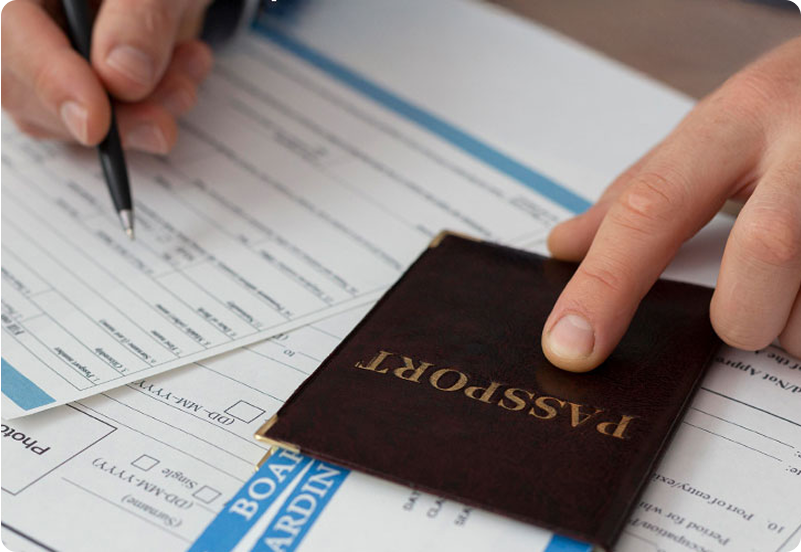
How to get a student visa for Spain
Spain is a primary destination for many students: its combination of world class universities, stunning landscapes, warm climate and a globally-spoken language make it the ideal choice for many.
For students from outside the EU, securing a student visa is the first step that must be taken to study legally in Spain. Whether you’re planning a bachelor’s, master’s, PhD or even a long-term language course, the Spanish student visa process involves careful planning and a clear set of requirements.
This guide will walk you through everything you need to know from admission to arrival, covering:
- Who needs a Spanish student visa
- When and how to apply
- The documents you’ll need
- How to submit your application
- Visa processing times and fees
- What to do after arriving in Spain
- How to switch your student visa into another residence option after graduation
Who needs a student visa for Spain?
Non-EU and non-EEA nationals must apply for a student visa if they want to study in Spain for more than 90 days. Citizens of the EU, EEA and Switzerland do not need a visa, but they still need to register locally if staying longer than three months.
For shorter courses or programs that are under 90 days, a Schengen visa (Type C) is usually enough. You might not even need a visa at all, depending on your nationality. Keep in mind though that a Schengen visa doesn’t let you work or enroll in long-term study, so it’s really only for brief stays. Understanding this difference will help you avoid any surprises during your trip.
When should you apply?
Timing is crucial to student visa application success: Spanish consulates recommend applying at least three months before your program begins. Processing times vary depending on the consulate and the time of year. Some applications are processed in just a few weeks, while others may take up to 60 days.
It’s a good idea to book your visa appointment as soon as you receive your official acceptance letter from a Spanish institution. That way, you’ll have enough time to prepare what you need.
Required documents
When applying for a Spanish student visa, you’ll need to prepare several key documents. These must usually be submitted in Spanish, and in many cases, they must be translated by a sworn translator and authenticated by a public official.
Proof of enrolment
An official acceptance letter from your Spanish university or language school. It should clearly state the program details, course duration and your enrolment status.
Valid passport
Your passport must be valid for the entire duration of your stay, plus at least one additional year. You’ll also need ensure you have blank pages for visa stamps.
Financial means
You’ll need to show proof of sufficient funds to support yourself in Spain. Bank statements, scholarship letters or financial guarantor documents are usually accepted.
Health insurance
Visa-compliant private health insurance is mandatory for non-EU students. It must cover the entire length of your stay, provide full coverage and have no co-payments.
Learn more about how health insurance works for students in Spain.
Proof of accommodation
Some consulates ask for proof of where you’ll live upon your arrival in Spain, such as a lease agreement, student residence booking or host family confirmation. The more details you can provide upfront, the better your chances of a successful visa application.
Medical certificate
A doctor’s note confirming you are free of contagious diseases, issued within the last three months, is required.
Criminal background check
Applicants over 18 must usually provide a police clearance certificate from their home country, issued within the past 3 months, and often requires authentication by a local authority (apostille).
How to submit your visa application
Applications are submitted in person at the Spanish consulate or embassy responsible for your place of residence. Most consulates require you to book an appointment online.
On the day of your appointment, you’ll need to:
- Hand in your completed application form and supporting documents
- Provide biometric data (including fingerprints and passport photos sized 26 x 32mm)
- Pay the visa fee
It’s important to bring both originals and copies of your documents. Missing or incomplete paperwork is one of the most common reasons applications are delayed or rejected.
Processing times and visa fees
Visa processing times are typically between 4 and 8 weeks, depending on the consulate. During busy periods, it may take longer.
Visa processing fees usually range between €60 and €80, although they can differ slightly depending on your nationality.
After you arrive in Spain
Once your visa is approved and you’ve arrived in Spain, there are a few key steps to complete:
- Residence card (TIE): Within 30 days of arrival, you must apply for a foreigner’s identity card (Tarjeta de Identidad de Extranjero, or TIE) at your local immigration office or police station.
- Register your address (empadronamiento): You’ll need to register your address with the town hall (ayuntamiento).
- Healthcare setup: If you’re studying long-term, you should continue with your private insurance. Some students may later qualify for Spain’s public system depending on their situation.
Can a student visa be switched after graduation?
Yes. One of the advantages of a student visa in Spain is that it can serve as a pathway to other permits. After completing your studies, you may be eligible to:
- Apply for a job search visa, which gives you up to 12 months to look for employment in Spain.
- Convert your student visa into a work permit, if you receive a qualifying job offer.
- Explore other residence options, such as the entrepreneur or highly skilled visa, depending on your situation.
Begin your new chapter as a student in Spain
Applying for a Spanish student visa takes time and careful preparation, but with the right documents and planning, the process is manageable. Make sure you start early, double-check requirements with your local Spanish consulate, and keep copies of everything you submit.
By the time you arrive in Spain, you’ll have a residence card, valid health insurance and the peace of mind that you can focus on your studies and new life abroad.
Sign up for expat health insurance
Cancel anytime.
Don't take our word for it

Quality service.
“After my claim, Chris guided me through everything. Super helpful and responsive.”
Madalina
Made my life so much easier
“Best support I’ve ever had. Clear answers, fast help, incredibly kind team.”
HW
2 years of amazing service
“Justina makes me feel like her only customer. Fast, clear, always helpful.”
Funto