Dental crowns in Spain
When a tooth is damaged, cracked, or weakened, a dental crown can restore its shape, strength, and function—while also improving your smile.
Crowns are one of the most common dental restorations, but they represent a significant expense. In Spain, a crown typically costs between €300 and €900, depending on the material and location.
Spain's public healthcare system (SNS) provides no coverage for dental crowns, which means you'll pay the full cost out of pocket—unless you have private dental insurance.
In this guide, you'll learn:
- When a dental crown is needed
- The types of crowns available in Spain
- What different insurance options cover
- Why costs vary
- Tips for more affordable crowns
What is a dental crown?
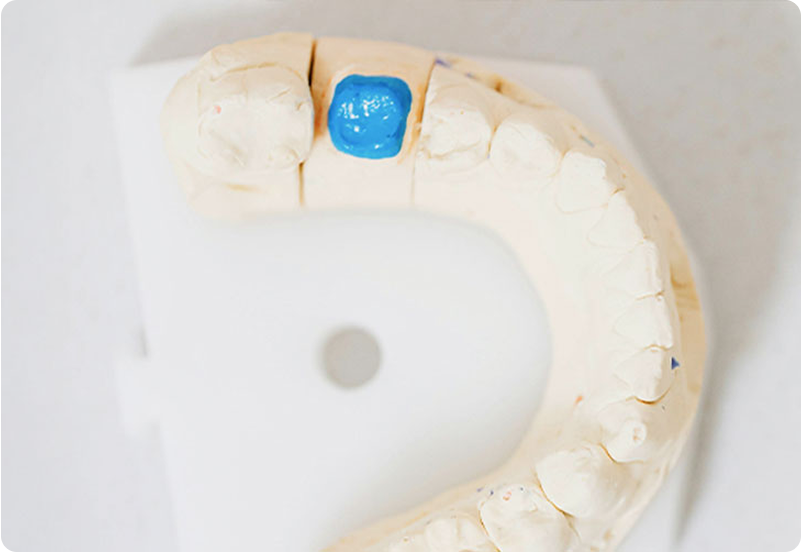
A dental crown is a tooth-shaped cap that covers a damaged or weakened tooth. It restores the tooth's shape, size, strength, and appearance.
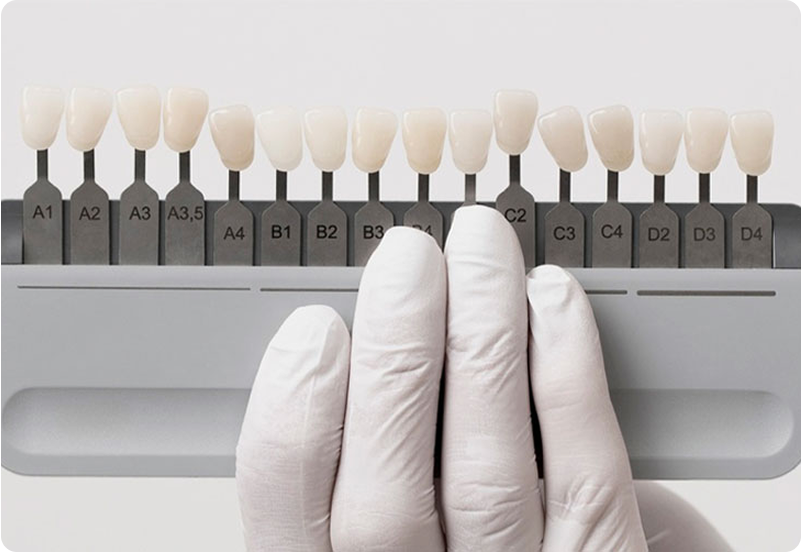
Crowns are custom-made to match your natural teeth and are crafted from durable materials such as porcelain, ceramic, metal, or a combination.
Your dentist may recommend a crown when:
- A tooth is broken, cracked, or severely worn
- A large cavity can't be supported by a filling alone
- You've had root canal treatment
- A tooth needs strengthening to prevent breakage
- An implant needs a visible tooth portion
- A tooth is badly discolored or misshapen
Crowns ( not to be confused with bridges) are generally preferred when there's not enough healthy tooth structure remaining for a filling.
How much do dental crowns cost in Spain?
Crown costs in Spain vary based on material, location, and complexity. According to a pricing study by Ferrus&Bratos—a Madrid-based dental clinic that regularly benchmarks crown costs across major Spanish clinics and insurers—the average price of a zirconia crown in Spain is around €401.
Cost by material
| Type of crown | Price range | Best for |
|---|---|---|
| Metal (non-precious) | €70–€150 | Back teeth (molars) |
| Metal-ceramic | €360–€450 | Balance of strength and aesthetics |
| All-ceramic / porcelain | €400–€850 | Front teeth, aesthetic priority |
| Zirconia | €350–€800 | Strength and aesthetics |
Sources: Ferrus&Bratos pricing study (2026), Cleardent, Clínica Dental Urbina. Prices are estimates and vary by clinic.
Cost by tooth location
| Tooth location | Average cost |
|---|---|
| Front tooth | €500–€850 |
| Premolar | €400–€600 |
| Molar | €300–€500 |
Front teeth require more aesthetic precision, which increases costs.
Other factors affecting cost
- Clinic location: Madrid and Barcelona are typically 20–30% more expensive
- Dentist experience: Specialists may charge more
- Lab quality: Premium labs produce better-fitting, more natural-looking crowns
- Additional treatments: Root canals or post-and-core buildups add to the total
- Insurance network pricing: Dental insurance networks can offer reduced rates—for example, zirconia crowns through insurer networks average €330–€372 vs. ~€401 in private clinics
How much do Spanish insurers cover?
Public health insurance (SNS)
Spain's public healthcare system provides no coverage for dental crowns. With SNS alone, you pay 100% of crown costs.
SNS dental coverage is limited to extractions, some basic treatments for children, and emergency care. Restorative work like crowns, implants, and bridges falls entirely outside public coverage.
Private dental insurance (add-on)
A standalone dental insurance policy is the most practical way to reduce crown costs. These policies work as an add-on to your existing public or private health insurance.
How it works:
Dental add-on insurance typically splits treatments into two tiers:
- Fully covered (€0 out of pocket): Preventive and basic services—checkups, cleanings, X-rays, basic oral surgery, endodontics, and emergency care
- Specialist treatments (you pay a reduced rate): Crowns, implants, bridges, orthodontics, and cosmetic procedures—typically covered at up to 50% of the cost
Feather's dental insurance starts at €11.49/month and works on this model. Pre-existing conditions are covered, there's no waiting period, and you have access to 1,500+ dental clinics across Spain. For specialist treatments like crowns, you pay a reduced rate (up to 50% of the cost). You'll always receive a quote before starting treatment.
Example costs with dental insurance (50% coverage):
| Crown type | Clinic price | Insurance covers (up to) | You pay (approx.) |
|---|---|---|---|
| Metal crown | €150 | €75 | €75 |
| Metal-ceramic | €400 | €200 | €200 |
| All-ceramic | €600 | €300 | €300 |
| Zirconia | €500 | €250 | €250 |
Exact copays depend on your insurer's negotiated price list. Always request a treatment plan quote before proceeding.
Even with a 50% copay, the math works in your favor: a single metal-ceramic crown saves you roughly €200, which more than covers a full year of premiums.
Private health insurance
Some comprehensive private health plans include limited dental benefits, but these are typically capped at modest annual amounts (e.g., €100/year for dental). This is useful for checkups but won't meaningfully offset the cost of a crown.
If you're likely to need restorative dental work, a dedicated dental insurance add-on provides significantly better coverage than the dental component of a general health plan.
Expat health insurance
Expat health insurance policies offer limited dental coverage, usually restricted to:
- Pain relief treatments (up to ~€500/year)
- Tooth replacement after an accident (up to ~€500/year)
This won't cover a planned crown procedure. If you're on expat health insurance and need a crown, consider adding standalone dental insurance.
Pros & cons of dental crowns
| Pros | Cons |
|---|---|
| Protects damaged teeth from further harm | Requires filing down healthy tooth structure |
| Restores full function | May cause temporary sensitivity |
| Durable (10–15 years or more) | More expensive than fillings |
| Natural appearance (with ceramic) | Rare risk of allergic reaction to materials |
| High success rate | May need replacement eventually |
Alternatives to dental crowns
Onlays
Cover part of the tooth, preserving more natural structure. Best for moderate damage.
Cost in Spain: €350–€600
Fillings
For minor cavities and damage. Less durable than crowns for major restoration.
Cost in Spain: €50–€150
Veneers
Thin shells covering only the front surface. Best for cosmetic improvements, not structural restoration.
Cost in Spain: €300–€600
6 tips for more affordable dental crowns in Spain
1. Compare quotes
Get estimates from 2–3 clinics. Prices vary significantly, even in the same city.
2. Choose appropriate materials
For back teeth that aren't visible, metal or metal-ceramic crowns offer durability at lower cost. Save all-ceramic or zirconia for visible front teeth.
3. Consider location
Clinics outside major cities often charge less. Coastal areas with competition for expat patients may offer competitive pricing.
4. Get dental insurance
Even basic dental insurance can reduce crown costs by up to 50%, often paying for itself with a single procedure.
5. Ask about payment plans
Many Spanish dental clinics offer financing over 6–12 months, often interest-free.
6. Maintain oral hygiene
Proper care extends crown life. Brush twice daily, floss around the crown, and attend regular check-ups.
Questions to ask your dentist
Before getting a crown in Spain:
- What material do you recommend for my situation?
- How many appointments will this require?
- What's the total cost, including any preparation work?
- What warranty do you offer on the crown?
- How long should this crown last?
- Do you offer payment plans?
Understanding your options helps you make the best decision for your dental health and budget.