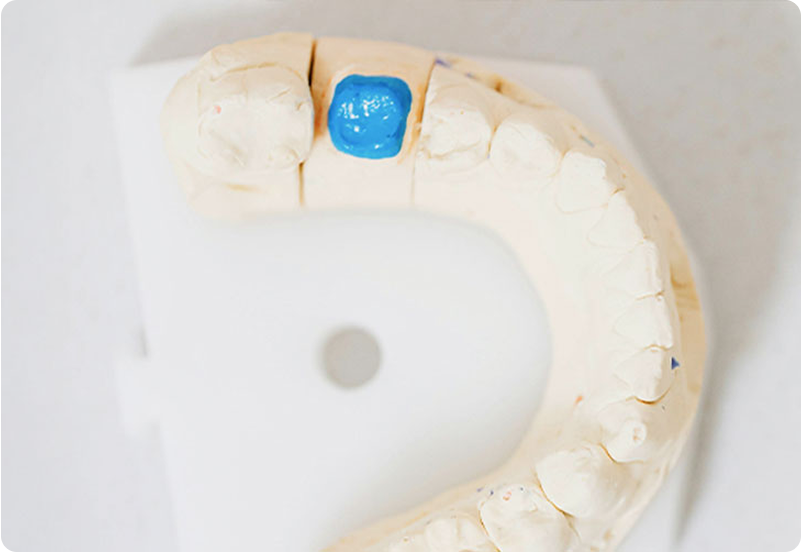
Dental bridges in Spain
Losing a tooth can make everyday activities like eating, speaking, and smiling feel difficult.
A dental bridge is a proven solution for filling the gap and restoring both function and appearance—and it's typically more affordable than implants.
However, dental bridges still represent a significant expense. Prices in Spain range from €400 to €800 per unit, with complete bridges costing €1,200 to €2,500 or more depending on complexity.
Unlike Germany, Spain's public healthcare provides no coverage for dental bridges, making it important to understand how dental insurance works.
In this guide, you'll learn:
- When a dental bridge is needed
- The different types available in Spain
- What different types of insurance cover
- Why costs vary
- Tips for making bridges more affordable
What is a dental bridge?
A dental bridge is a fixed prosthetic device that replaces one or more missing teeth by anchoring to surrounding natural teeth or implants.
Bridges help restore chewing ability, prevent teeth from shifting, and improve both dental health and aesthetics.
A bridge consists of three main components:
- Abutments: The natural teeth or implants supporting the bridge
- Pontic: The false tooth (or teeth) filling the gap
- Crowns: Caps placed over the abutment teeth for stability
The 4 main types of bridges
1. Traditional bridge
The most common type. An artificial tooth is held in place by crowns cemented onto the teeth on either side of the gap.
Best for: Gaps with healthy teeth on both sides Cost in Spain: €1,200–€2,000
2. Cantilever bridge
Similar to a traditional bridge but supported by only one natural tooth instead of two.
Best for: Gaps with only one adjacent healthy tooth Cost in Spain: €800–€1,500
3. Maryland bridge (resin-bonded)
Uses metal or porcelain "wings" bonded to the backs of adjacent teeth, requiring less tooth modification.
Best for: Front teeth with minimal bite pressure Cost in Spain: €600–€1,200
4. Implant-supported bridge
Held in place by dental implants rather than natural teeth. The most durable option.
Best for: Multiple missing teeth or when adjacent teeth aren't strong enough Cost in Spain: €3,000–€8,000 (including implants)
How much do dental bridges cost in Spain?
Bridge costs depend on several factors:
- Type of bridge: Implant-supported is most expensive
- Number of teeth replaced: More teeth = higher cost
- Material used: Ceramic and porcelain cost more than metal
- Location: Madrid and Barcelona are typically pricier
- Clinic: Varies based on equipment and expertise
Typical price ranges in Spain
| Bridge type | Cost per unit | Complete bridge (3-unit) |
|---|---|---|
| Traditional metal | €400–€500 | €1,200–€1,500 |
| Metal with ceramic veneer | €500–€600 | €1,500–€1,800 |
| Full ceramic | €600–€800 | €1,800–€2,400 |
| Implant-supported | €1,000–€1,500 | €3,000–€4,500 |
These prices reflect Spain's competitive dental market, typically 30–40% less than Northern Europe.
How much do Spanish insurers cover?
Public health insurance (SNS)
Spain's public healthcare system provides no coverage for dental bridges.
Unlike Germany, where public insurance pays a fixed subsidy (Festzuschuss) toward standard dental prosthetics, the SNS considers bridges an elective procedure. You pay 100% out-of-pocket.
Private dental insurance
Private dental insurance is the most effective way to reduce bridge costs.
Feather's dental insurance works as a network plan with access to over 1,500 clinics across Spain. Bridges fall under advanced treatments, which are covered at a reduced rate—typically up to 50% of the cost. The plan also covers pre-existing conditions from day one, so you don't need to wait or worry about exclusions for existing gaps.
On top of bridge coverage, basic services like checkups, cleanings, X-rays, and oral surgery are fully covered at no extra charge.
| Bridge type | Typical cost | With Feather dental insurance (up to 50% covered) |
|---|---|---|
| Traditional metal (3-unit) | €1,200–€1,500 | ~€600–€750 |
| Metal with ceramic veneer (3-unit) | €1,500–€1,800 | ~€750–€900 |
| Full ceramic (3-unit) | €1,800–€2,400 | ~€900–€1,200 |
Since bridges are a significant expense even with insurance, it's worth getting a cost estimate from Feather's network clinic before treatment so you know your out-of-pocket amount upfront.
Private health insurance
Feather's private health insurance includes some basic dental coverage—checkups, cleanings, and extractions—but doesn't specifically cover bridges or prosthetics at the same level as a standalone dental plan. If you anticipate needing a bridge, adding dental insurance alongside your private health plan is the better approach.
Expat insurance
Feather's expat health insurance includes limited dental coverage: up to €500 per year for urgent, pain-relieving treatments. This only covers new dental issues that arise after your policy starts—pre-existing conditions and routine care aren't included.
The €500 annual limit is unlikely to cover a full bridge on its own, but it could help offset part of the cost if the treatment qualifies as urgent. For planned prosthetic work like bridges, the standalone dental add-on is a much better fit.
When should a dental bridge be used?
A dental bridge is a good option when:
- One to four teeth are missing in a row
- Teeth next to the gap are healthy and strong
- You want a fixed (non-removable) solution
- Implants aren't feasible or desired
A bridge may not be right if:
- Many teeth are missing
- Adjacent teeth are weak or damaged
- You can't maintain proper oral hygiene
- You prefer a removable option
Pros & cons of dental bridges
| Pros | Cons |
|---|---|
| More affordable than implants | Requires modifying healthy adjacent teeth |
| Faster treatment (no surgery) | Risk of decay if not cleaned properly |
| Restores appearance and function | Typically lasts 10–15 years (not permanent) |
| Fixed and stable | Adjacent teeth bear additional stress |
Alternatives to dental bridges
Dental implants
Titanium posts placed in the jawbone to support crowns.
Pros: Don't affect adjacent teeth; last longer Cons: More expensive; require surgery; longer treatment time
Partial dentures
Removable appliances that replace missing teeth.
Pros: Most affordable option; no tooth modification Cons: Less stable; must be removed for cleaning
6 tips for more affordable dental bridges in Spain
1. Compare quotes
Get estimates from 3–4 dental clinics. Prices vary significantly even within the same city.
2. Consider materials carefully
Full ceramic looks best but costs more. Metal with ceramic veneer offers a good balance of aesthetics and cost for back teeth.
3. Explore payment plans
Most Spanish dental clinics offer financing over 6–24 months, often interest-free for shorter terms.
4. Get dental insurance early
If you anticipate needing dental work, getting coverage sooner gives you access to network pricing and reduced rates on advanced treatments from day one.
5. Maintain good oral hygiene
Proper care extends bridge life. Floss under the bridge daily using special floss threaders or a water flosser.
6. Check clinic reviews
Don't choose based on price alone. Read reviews on Google, Doctoralia, or TopDoctors to verify quality.
Questions to ask your dentist
Before getting a bridge in Spain:
- Which type of bridge do you recommend for my situation?
- What materials will you use?
- How long will the bridge last?
- What's the total cost, including all appointments?
- Do you offer payment plans?
- What's included in the warranty?
Understanding your options helps you make an informed decision and get the best value for your investment in dental care.