Orthodontics in Spain
Braces are the most common treatment for straightening teeth. Beyond aesthetics, they can improve speech, chewing, and long-term dental health.
However, orthodontic treatment in Spain isn't cheap—expect to pay €2,000–€6,500 depending on the type of braces and complexity of your case.
Spain's public healthcare system provides almost no coverage for orthodontics, except for children with severe conditions. This makes understanding your options and costs essential.
In this guide, you'll learn:
- What orthodontics involves
- Types of braces available in Spain
- How much different treatments cost
- What public and private insurance covers
- Tips for making orthodontics more affordable
What is orthodontics?
Orthodontics is the branch of dentistry that corrects misaligned teeth and jaws.
Common issues orthodontists treat:
- Crooked or crowded teeth
- Gaps between teeth
- Overbite (upper teeth extend too far)
- Underbite (lower teeth extend beyond upper)
- Crossbite (teeth don't align properly)
These issues aren't just cosmetic—misalignment can cause difficulty chewing and speaking, increased risk of cavities and gum disease, jaw pain and TMJ disorders, and uneven tooth wear.
Types of orthodontic treatments in Spain
Fixed braces (brackets)
Attached directly to teeth and worn throughout treatment.
Metal braces:
- Traditional and most effective
- Most affordable option
- Visible but highly reliable
- Cost: €2,000–€3,500
Ceramic / sapphire braces:
- Tooth-colored or transparent brackets
- Less visible than metal
- Slightly more fragile
- Cost: €2,500–€4,000
Lingual braces:
- Attached behind teeth (invisible from front)
- Most discreet fixed option
- More difficult to clean and adjust
- Cost: €4,000–€8,000
Removable aligners
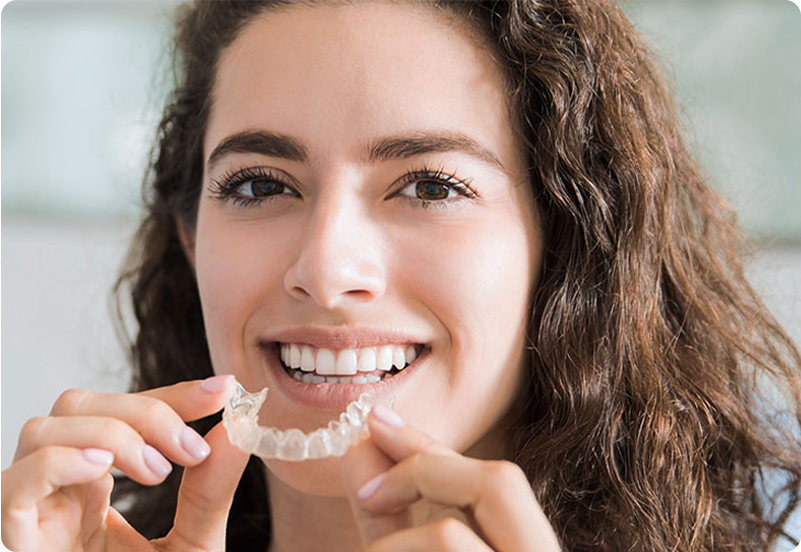
Invisalign (clear aligners):
- Nearly invisible plastic trays
- Removable for eating and cleaning
- Popular with adults
- Requires discipline (22+ hours daily wear)
- Cost: €1,500–€6,500 (average ~€3,300)
Traditional removable braces:
- Used mainly for children
- Plastic plate with wires
- Corrects mild issues
- Cost: €1,000–€2,000
How much does orthodontic treatment cost in Spain?
Costs depend on treatment type, case complexity, and treatment duration. According to a pricing study by Ferrus&Bratos that benchmarks orthodontic costs across major Spanish clinics and insurers, the overall range for brackets in Spain is €2,574–€8,856.
Average costs by treatment type
| Treatment | Cost range | Duration |
|---|---|---|
| Metal braces | €2,000–€3,500 | 12–24 months |
| Ceramic / sapphire braces | €2,500–€4,000 | 18–24 months |
| Lingual braces | €4,000–€8,000 | 18–36 months |
| Invisalign | €1,500–€6,500 | 6–24 months |
| Removable braces (children) | €1,000–€2,000 | 12–18 months |
Sources: Ferrus&Bratos pricing study (2026), Cleardent, Bankinter Consumer Finance. Prices are estimates and vary by clinic, city, and case complexity.
Invisalign is typically 20–30% more expensive than metal brackets for comparable cases, though the gap has narrowed in recent years.
What's included in the price
A typical orthodontic quote should include:
- Initial consultation and X-rays
- Treatment planning (including digital scans)
- Braces/aligners
- Regular adjustment appointments
- Retainers after treatment
Verify what's included before starting—some clinics charge separately for retainers, consultations, or refinement aligners.
Additional costs
- Replacement aligners: €100–€200 (if lost)
- Emergency repairs: Often included, but verify
- Retainer replacements: €100–€300
Does Spanish insurance cover orthodontics?
Public health insurance (SNS)
Spain's public system provides minimal orthodontic coverage:
For children: Coverage only for severe malformations, cleft lip/palate treatment, and severe skeletal abnormalities.
For adults: No coverage (even for severe cases).
The vast majority of orthodontic treatment in Spain is paid privately.
Private dental insurance (add-on)
Dental insurance add-ons can reduce orthodontic costs. Under most dental insurance plans, orthodontics is classified as a specialist treatment and covered at a reduced rate.
Feather's dental insurance (from €11.49/month) covers orthodontics—including all types of braces and Invisalign—as a specialist treatment, with patients paying a reduced rate (up to 50% of the cost). Coverage applies to both adults and children, and pre-existing conditions are covered. Invisalign plans through the network start from approximately €1,100.
Example costs with dental insurance (50% coverage):
| Treatment | Clinic price | Insurance covers (up to) | You pay (approx.) |
|---|---|---|---|
| Metal braces | €2,500 | €1,250 | €1,250 |
| Ceramic braces | €3,000 | €1,500 | €1,500 |
| Invisalign (moderate) | €3,300 | €1,650 | €1,650 |
Exact copays depend on your insurer's negotiated price list. Some insurers offer orthodontics at significantly reduced network rates. Always request a treatment plan quote before proceeding.
Other major Spanish dental insurers also offer orthodontic benefits. For example, ASISA offers Invisalign at reduced rates between €3,600–€4,800 depending on plan, and DKV between €3,900–€5,100.
Private health insurance
Some comprehensive private health plans include limited dental benefits, but these are typically capped at modest annual amounts (e.g., €100/year for dental) and won't meaningfully offset orthodontic costs.
Expat health insurance
Expat health insurance rarely covers orthodontics due to the extended treatment timeline (12–36 months). Coverage is typically limited to pain relief and emergency dental care.
When should you get braces?
For children
Best age to start: 10–14 years old (after adult teeth emerge but while jaw is still developing)
Signs your child may need orthodontics:
- Crowded or crooked teeth
- Early loss of baby teeth
- Difficulty chewing or biting
- Mouth breathing
- Thumb sucking past age 5
For adults
Adults can get braces at any age, but treatment may take longer, more complex cases may require surgery, and Invisalign is often preferred for discretion.
Pros & cons of orthodontic treatment
| Pros | Cons |
|---|---|
| Straighter, healthier teeth | Significant cost |
| Improved bite and chewing | Treatment takes 1–3 years |
| Reduced risk of decay/gum disease | Requires commitment |
| Increased confidence | Some discomfort during adjustment |
| Long-lasting results | May need retainer permanently |
6 tips for more affordable orthodontics in Spain
1. Start with a consultation
Many orthodontists offer free or low-cost consultations. Get 2–3 opinions before committing.
2. Choose appropriate treatment
Metal braces are the most affordable and highly effective option. Invisalign and lingual braces cost significantly more for similar results in many cases.
3. Consider payment plans
Most orthodontists offer monthly payment plans spreading costs over treatment duration. Many clinics offer 12-month interest-free financing, with longer terms available.
4. Get dental insurance
Dental insurance can reduce orthodontic costs by up to 50%. Some insurers also offer network pricing that brings treatment costs below standard clinic rates—for example, Invisalign plans from ~€1,100 through insurer networks.
5. Check for promotions
Some clinics offer seasonal discounts or reduced rates for certain treatments. Franchise chains may offer lower base prices than specialist clinics.
6. Compare clinic prices
Prices vary significantly between clinics, even in the same city. A €500–€1,000 difference is common for the same treatment type.
Questions to ask your orthodontist
Before starting treatment:
- What type of braces do you recommend for my case?
- How long will treatment take?
- What's the total cost, including retainers and refinements?
- What payment plans do you offer?
- How often will I need appointments?
- What happens if I need repairs or adjustments?
- How long will I need to wear a retainer after treatment?
Understanding the full scope helps you budget appropriately and choose the right orthodontist for your needs.