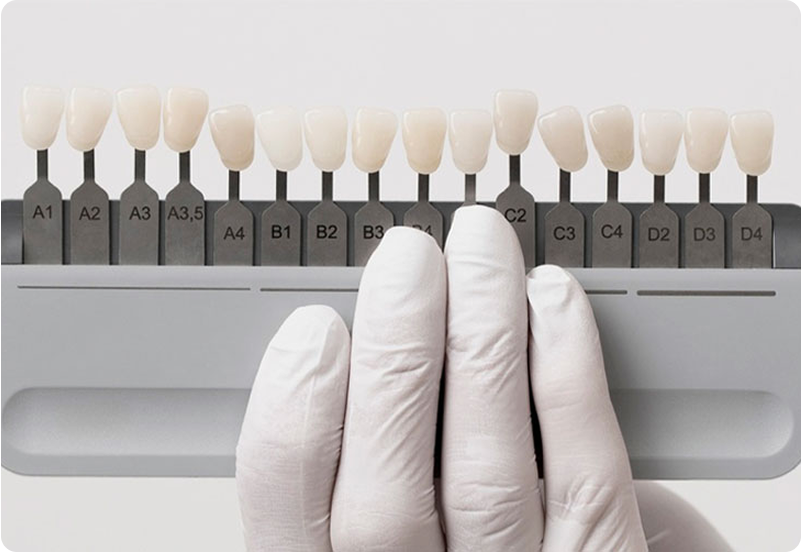
Dental implants in Spain
Missing a tooth affects more than just your appearance. It can change how you eat, speak, and feel every day.
Dental implants are a popular solution in Spain and elsewhere, because they provide a long-lasting, natural-looking replacement for missing teeth.
However, unlike Germany, Spain's public healthcare system offers no coverage for dental implants, so you'll want to look into private coverage.
That's why understanding how dental insurance works in Spain is essential.
In this guide, you'll learn:
- What a dental implant is and how it works
- How much dental implants cost in Spain
- What public and private insurance covers
- Why prices vary
- And tips for making implants more affordable
What is a dental implant?
A dental implant is an artificial tooth root, typically made of titanium or zirconia, placed directly into your jawbone. It provides a stable foundation for a replacement tooth.
A complete implant consists of three parts:
- The implant body: A screw-like post inserted into the jawbone
- The abutment: A connector piece that attaches to the implant
- The crown: The visible artificial tooth that sits on top
Dental implants can replace a single tooth, multiple teeth, or support full dentures.
Unlike bridges, they don't rely on neighbouring teeth for support, which helps protect your remaining natural teeth.
When properly placed, implants fuse with the bone through a process called osseointegration. The implant post itself is designed to be permanent and can last a lifetime with proper care. The crown (the visible part) typically lasts 10–15 years before it may need replacing due to normal wear.
When should you get dental implants?
Implants are often an ideal long-term solution, but they aren't always right for everyone. You should consider implants when:
- The natural tooth root is missing or beyond repair
- You have sufficient healthy jawbone (or can receive a bone graft)
- You're in good overall health
However, implants might not be the best fit if you're a heavy smoker, you have uncontrolled diabetes, or if you're taking medications that affect bone health.
Your dentist can help you decide between implants and alternatives like bridges or dentures based on your specific situation, health, and preferences.
Advantages of getting implants in Spain
Spain has become a popular destination for dental treatment, and implant costs are a major reason why. A single implant in Spain typically costs €1,000–€1,800 (including the crown), compared to €2,300–€4,000 in the UK or €2,800–€5,500 in Germany.
Beyond price, there are a few other reasons Spain stands out:
- Quality of care: Spanish dentists follow strict EU healthcare regulations and many clinics use advanced technology such as 3D imaging and guided surgery.
- Accessibility: Major cities and popular expat areas have well-established dental facilities, often with English-speaking staff.
- Pleasant recovery: The mild Mediterranean climate can make the healing period more comfortable.
What do dental implants cost in Spain?
The price of implants in Spain varies based on the level of treatment you need:
- Implant only (the screw): €700–€1,500
- Crown (the visible tooth): €300–€500
- Complete treatment (implant + abutment + crown): €1,000–€1,800 per tooth
Several factors can push costs higher or lower:
- Location of the tooth: Front teeth require more aesthetic precision and typically cost more than molars.
- Implant material: Most implants use titanium, which is durable and cost-effective. Zirconia implants are more aesthetic but typically cost €200–€400 more.
- Number of implants: Multiple implants may qualify for package pricing. Full-mouth rehabilitation (such as All-on-4 or All-on-6) typically costs between €6,500–€16,000.
- Clinic location: Prices in Madrid and Barcelona tend to be 20–30% higher than in smaller cities or coastal areas popular with expats, like the Costa del Sol or Valencia.
- Preparatory procedures: Some patients need additional work such as bone grafts, sinus lifts, or tooth extractions before implants can be placed. These come with additional costs.
Actual costs vary based on your specific situation, so always ask your dentist for a full breakdown of costs ahead of time.
Does Spanish health insurance cover dental implants?
Spain's public healthcare system provides no coverage for dental implants. The SNS (Sistema Nacional de Salud) considers implants an elective procedure. The public system only covers emergency dental treatment and basic care for children under 15.
This is where private dental insurance comes in. It can significantly reduce what you pay out of pocket.
Here's how it typically works in Spain: most dental insurance plans operate on a network discount model rather than a traditional reimbursement system. You visit a dentist within the insurer's network and pay reduced, pre-agreed prices.
For implants specifically, the savings depend on your insurer and plan. Some plans offer discounts of 10–50% on implant procedures. For example, Feather's dental insurance covers specialist treatments like implants at up to 50% off.
A few things to keep in mind when choosing a plan:
- Waiting periods vary: Some plans let you access all treatments from day one, while others may have waiting periods for specialist procedures. Check before you sign up.
- Annual benefit limits may apply depending on the plan.
- Pre-existing conditions may be excluded by some insurers.
Some more comprehensive private health plans, or short-term expat health insurance, can also provide coverage for dental implants, though it tends to be more limited than dedicated dental insurance.
Learn more about health insurance in Spain.
Tips for more affordable implants
If you're looking to get the most out of dental implants in Spain, these suggestions can help:
-
Compare multiple clinics. Get quotes from at least two or three clinics, since prices can vary significantly for similar treatments — even within the same city.
-
Consider location. Clinics in smaller cities or popular expat areas (Costa del Sol, Valencia) often offer lower prices than Madrid or Barcelona.
-
Ask about package deals. Many clinics offer discounts for multiple implants or complete treatment packages.
-
Get dental insurance early. If you anticipate needing implants, getting coverage now means you won't be held up by any waiting periods that might apply.
-
Explore payment plans. Most Spanish dental clinics offer financing options, spreading costs over 6–24 months, which can ease the upfront cost considerably.
It's also always smart to ask your dentist about implant types, payment options, and specific treatment details before making a final decision.