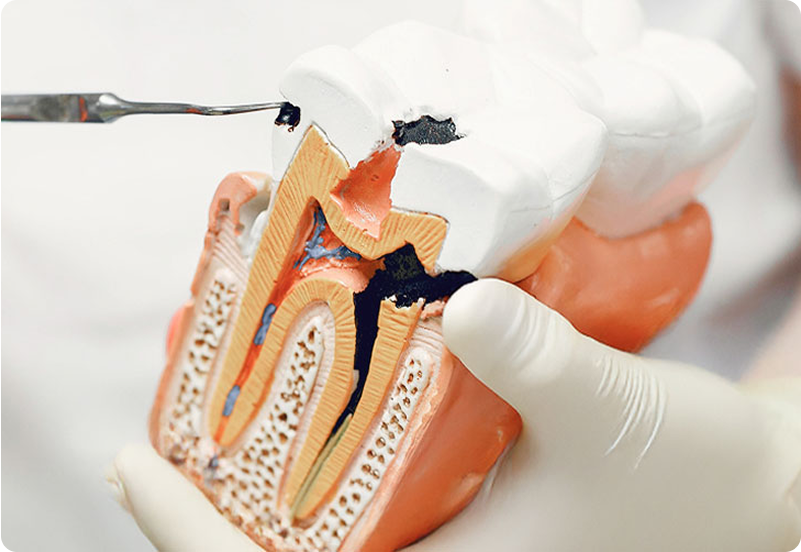
Cavity fillings in Spain
Tooth decay is one of the most common dental problems—and if left untreated, it can lead to pain, infection, or even tooth loss.
A cavity filling is a simple and effective way to stop decay and restore your tooth's health.
In Spain, fillings are affordable compared to Northern Europe, typically costing €50-€150 depending on the material and size. However, Spain's public healthcare system provides no coverage for fillings in adults.
In this guide, you'll learn:
- What cavity fillings are and when you need one
- The different types of filling materials
- How much fillings cost in Spain
- What public and private insurance covers
- Tips for saving money on fillings
What are cavity fillings?
Cavity fillings repair teeth damaged by decay.
The process involves:
- Numbing the area with local anesthesia
- Removing the decayed portion of the tooth
- Cleaning the cavity
- Filling the space with restorative material
- Shaping and polishing for comfort
Fillings restore the tooth's function and prevent further decay from spreading.
Types of dental fillings in Spain
1. Composite resin (tooth-colored)
The most popular choice in Spain, especially for visible teeth.
- Matches natural tooth color
- Bonds directly to tooth structure
- Mercury-free
- Cost: €60-€120 per tooth
2. Ceramic/porcelain inlays
High-quality, custom-made fillings for larger cavities.
- Very durable and stain-resistant
- Natural appearance
- Made in a dental lab
- Cost: €300-€500 per tooth
3. Glass ionomer
Often used for children or small cavities below the gumline.
- Releases fluoride (helps prevent further decay)
- Less durable than composite
- Cost: €50-€80 per tooth
4. Amalgam (being phased out)
Silver-colored metal fillings once common for back teeth.
- Very durable
- Contains mercury (raises health concerns)
- Being phased out in the EU as of 2025
- Cost: €40-€70 per tooth
5. Gold inlays
Premium option rarely used in Spain.
- Extremely durable (15-30 years)
- Conspicuous appearance
- Cost: €400-€700 per tooth
How much do cavity fillings cost in Spain?
Filling costs depend on material, cavity size, and tooth location:
Cost by material
| Filling material | Cost range |
|---|---|
| Glass ionomer | €50-€80 |
| Composite (small) | €60-€90 |
| Composite (large) | €90-€150 |
| Ceramic inlay | €300-€500 |
| Gold inlay | €400-€700 |
Factors affecting price
- Cavity size: Larger cavities require more material
- Tooth location: Back teeth may be harder to access
- Material choice: Composite costs more than amalgam
- Clinic location: Madrid/Barcelona charge premium prices
- Number of surfaces: Fillings spanning multiple surfaces cost more
Does Spanish insurance cover cavity fillings?
Public health insurance (SNS)
Spain's public healthcare provides no coverage for fillings in adults.
For children (ages 6-15): The PADI program covers fillings on permanent teeth.
For adults: You pay 100% out-of-pocket.
This is very different from Germany, where public insurance covers standard amalgam fillings.
Private dental insurance
Private dental insurance typically covers fillings:
Typical coverage progression:
| Years on policy | Annual limit |
|---|---|
| Year 1 | €150-€1,500 |
| Year 2 | €150-€1,500 |
| Year 3+ | Unlimited for basic treatments |
With Feather's dental insurance:
Feather's standalone dental insurance is the most relevant product for fillings. It works as a network plan with 1,500+ clinics across Spain. Standard fillings (composite, glass ionomer) fall under basic covered services — you show your insurance card at a network clinic and pay nothing. Ceramic or gold inlays would fall under advanced treatments, covered at a reduced rate of up to 50%.
Unlike the expat plan, dental insurance covers pre-existing conditions from day one.
Private health insurance
Comprehensive private health plans often cover fillings at various rates:
Feather's private health insurance:
Feather's private health plan includes some basic dental coverage (checkups, cleanings, extractions). For full coverage when it comes to fillings, you'd want to add the dental insurance on top.
Expat insurance
Expat insurance includes limited dental coverage: up to €500/year for urgent, pain-relieving treatments like fillings. This only covers new dental issues that arise after your policy starts — pre-existing problems and routine care aren't included. For broader dental coverage, the standalone dental add-on is the better option.
When should you get a cavity filling?
See your dentist if you notice:
- Visible holes or dark spots on teeth
- Sensitivity to hot, cold, or sweet foods
- Pain when biting or chewing
- Food frequently getting stuck in the same spot
- Rough edges you can feel with your tongue
Important: Cavities don't always cause symptoms early on. Regular check-ups catch decay before it becomes painful or expensive.
Why early treatment matters
A small cavity costs €60-€90 to fill. Left untreated, it may require:
- Larger filling: €100-€150
- Root canal: €150-€300
- Crown: €300-€700
- Extraction and implant: €1,500+
Early treatment saves money and preserves your natural tooth.
Pros & cons of different filling materials
| Material | Pros | Cons |
|---|---|---|
| Composite | Natural appearance, bonds well | Less durable than some options |
| Ceramic | Highly durable, beautiful | Most expensive |
| Glass ionomer | Releases fluoride | Least durable |
| Amalgam | Very durable, affordable | Contains mercury, being phased out |
6 tips for more affordable cavity fillings
1. Get dental insurance
Even basic dental insurance covers multiple fillings per year. With premiums around €15-€20/month, insurance pays for itself quickly.
2. Don't delay treatment
Small cavities are cheaper to fix. Waiting until pain develops usually means more expensive treatment.
3. Compare clinic prices
Call 2-3 dentists for quotes. Prices can vary by €20-€40 for the same filling.
4. Choose appropriate materials
For back teeth that aren't visible, composite works fine—you don't need expensive ceramic inlays.
5. Ask about package pricing
If you need multiple fillings, ask if the clinic offers a discount for treating them together.
6. Consider dental schools
University dental programs may offer reduced-price fillings performed by supervised students.
What to expect during your appointment
A typical filling appointment in Spain:
- Examination: Dentist assesses the cavity (may include X-ray)
- Anesthesia: Local numbing injection (optional for small cavities)
- Decay removal: Dentist drills out the damaged portion
- Filling placement: Material is applied and shaped
- Curing: Light hardens composite material
- Adjustments: Bite is checked and adjusted if needed
Duration: 20-45 minutes per filling Recovery: Immediate—you can eat once numbness wears off (2-3 hours)
Caring for your fillings
To maximize filling lifespan:
- Brush twice daily with fluoride toothpaste
- Floss daily
- Avoid biting hard objects (ice, pens)
- Limit sugary foods and drinks
- Attend regular dental check-ups
With proper care, composite fillings last 5-10 years, while ceramic and gold can last 15+ years.