
International health insurance in Mexico
Health insurance for expats & foreigners

Access any hospital and doctor
Skip wait times, get the best care.

No paperwork
Fully digital - sign up online.

Top rated: 4.8/5
On 2500+ reviews.
Get a price estimate
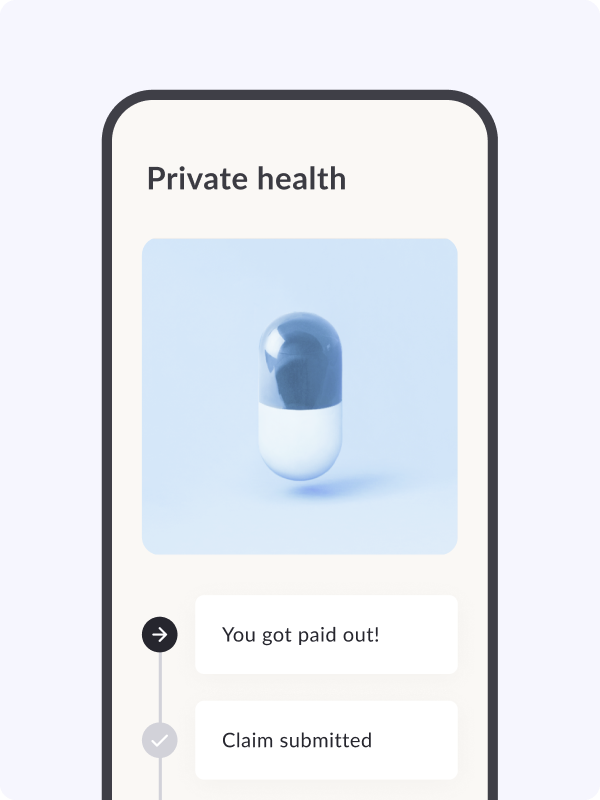
Why get private health insurance in Mexico?
Mexico's private hospitals are excellent, but the public system is stretched thin. Plus, getting into the public system is difficult for foreigners: beyond the annual upfront fee, you need a residence card.
That means private cover is best for most expats: it's much easier to join and gets you access to private hospitals. One more thing to know: most consulates ask for proof of insurance when you apply for a residency visa, though this can vary by city.

Moving to Mexico? Meet Feather
Meet our feather team and find out more about our insurance solutions for Mexico. Questions about coverage or immigration? Let us know; we've got you.
How does the healthcare system work in Mexico?

Mexico's public health system
Mexico's public health insurance runs mainly through its social security system (IMSS). If you have a resident card, you can pay an annual fee to join voluntarily. On a tourist permit, you're not eligible for IMSS or anything else. But if you're privately insured, you can access top private hospitals with English-speaking care.
Want to check if a doctor or specialist is properly certified before you book? You can look them up on CONACEM, Mexico's medical certification council.

Mexican pharmacies & medication
Pharmacies are everywhere: chains like Farmacias Guadalajara, Benavides, and Similares run more than 9,500 branches between them, and big cities have 24-hour options. Rules are more relaxed than in the US or EU, and locally made medicines are often far cheaper. Farmacias Similares also offer in-pharmacy doctor visits for around MXN 60 (€3).

Emergency services in Mexico
Dial 911, nationwide. Be prepared: in Mexico City, ambulances take an average of 35 minutes (sometimes over an hour), and rural areas may have no coverage at all. Dispatch is in Spanish.
The Red Cross (Cruz Roja) offers free pre-hospital care. Private hospitals, on the other hand, usually require a deposit of around MXN 19,500 (€970) for non-urgent treatment.
What expats need health insurance?

Digital nomads
Mexico has no digital nomad visa, so most remote workers arrive on the free tourist permit (180 days). That means no access to the public system.

Retirees
On a temporary resident visa, you can apply to join the public system voluntarily, but it turns away applicants with serious pre-existing conditions.

Families
The public system doesn't cover routine dental, vision, or elective care for children. Plus, a serious pediatric case can cost over MXN 30,000 (€1,490).

Gap year & job seekers
On a tourist permit, you have no public cover and can't buy into the system. Private fills the gap until your residency comes through.

Students
While not legally mandatory, most Mexican universities ask for proof of international student health insurance before they will enroll you.

Visa applicants
There's no nationwide insurance requirement for temporary or permanent resident visas. However, consulates increasingly ask for proof of cover.
Get global health insurance that works in Mexico
Plans from €56/month. Set up online in minutes.

How much is health insurance in Mexico?
Care in Mexico is good, but without insurance, it's not cheap. A private GP visit runs about MXN 775 (€38), a specialist around MXN 1,900 (€95), and a private hospital room about MXN 4,150 (€205) a night.

Public healthcare costs
If you work for a Mexican employer, you'll pay a small percentage of your salary into the social security system, with your employer covering the larger share. If you join voluntarily, it's an annual upfront fee that rises with age (starting around MXN 11,850 (€590) in your thirties). It doesn't cover dental, vision, elective care, or medical evacuation, and the admin is in Spanish.

Private medical insurance
Our plans start at €56/month for Essential and €84/month for Plus, full comparison below. You'll get outpatient and inpatient care, plus extras like dental care, 180 days of coverage in your home country (60 if it's the USA), and medical evacuation.
Visa & health insurance requirements for Mexico
Mexico doesn't legally require health insurance for temporary or permanent resident visas. But that doesn't mean insurance is not important. Paying out of pocket is very risky and can lead you to having to leave the country in the worst case.

Stay safe
Unless you hold a residence card and pay into social security, you'll need private health insurance. You might still get your visa without it, but you risk major expenses if something goes wrong.

Have proof of insurance ready
All your documents (proof of coverage, English/Spanish versions) are available instantly in your account.
How does Feather's international health insurance work?

Choose your plan
Compare Essential and Plus, pick your deductible, and sign up in under 5 minutes. No paperwork, no medical exams.

Get your documents instantly
Your confirmation and visa-ready proof-of-coverage documents land in your account straight away.

Visit any doctor
See any licensed doctor, specialist, or hospital. No referrals, no network restrictions, no pre-approval.

Upload your bill in the app
Already paid? Open the Feather app, snap a photo of your invoice, and submit your claim in under a minute.

Get reimbursed to your account
We review your claim and reimburse you directly to your bank account. Most claims are processed within two weeks.

Cancel anytime after year one
There's a one-year minimum term. After that, cancel whenever you want. No penalties.
Join 200,000+ expats covered with Feather
Get global medical coverage in under 5 minutes.
Why Feather?




187,000+
Customers covered
60+
Countries worldwide
4.6 star rating
75,000+
Processed claims
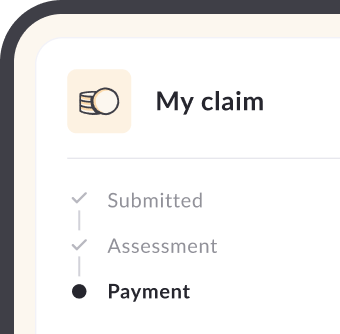
Fast to set up
Signup and management, fully online
In English
Contracts, claims, and support
Tailored guidance
From experts who know the system
Don't take our word for it

Dajana was amazing
“She answered all our questions and provided clear and detailed responses to ensure we select the proper coverage. The whole experience was perfect! I am confident I made the right choice going with Feather!”
Mascia
I trust them. No BS.
“They don't sugar coat the insurances, if they don't provide the best option, they would help you understand what's the best one.”
Michal
Super helpful
“The representative answered my questions clearly and helped me make sure I was aware of my options! This was the perfect fit for my situation as an expat looking for a job in Spain and needing temporary coverage.”
Erin


Sorted your health insurance yet?
Takes 2 minutes. From €56 per month. 4.8/5 rated on over 2,500 reviews.


